FarmTheory
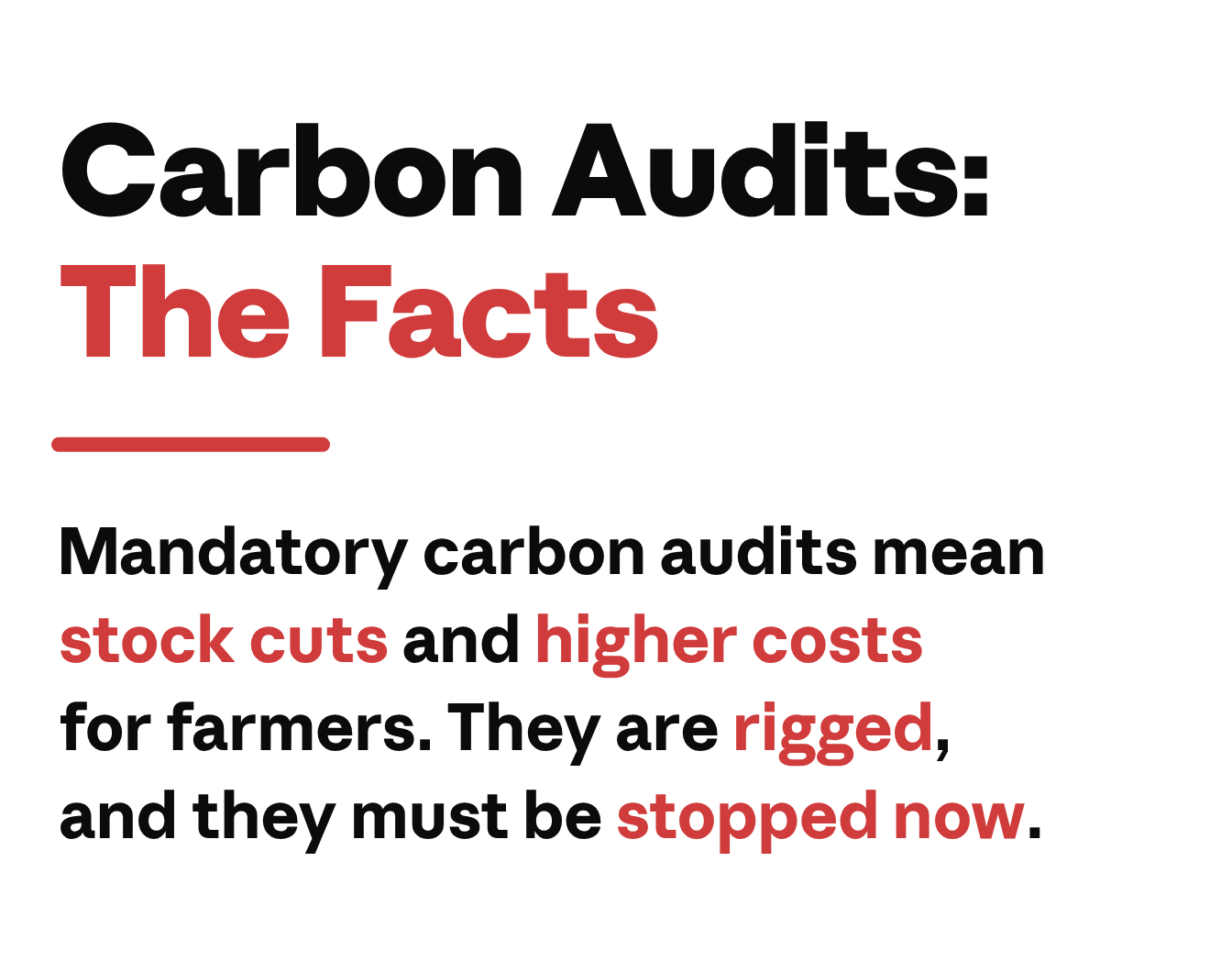
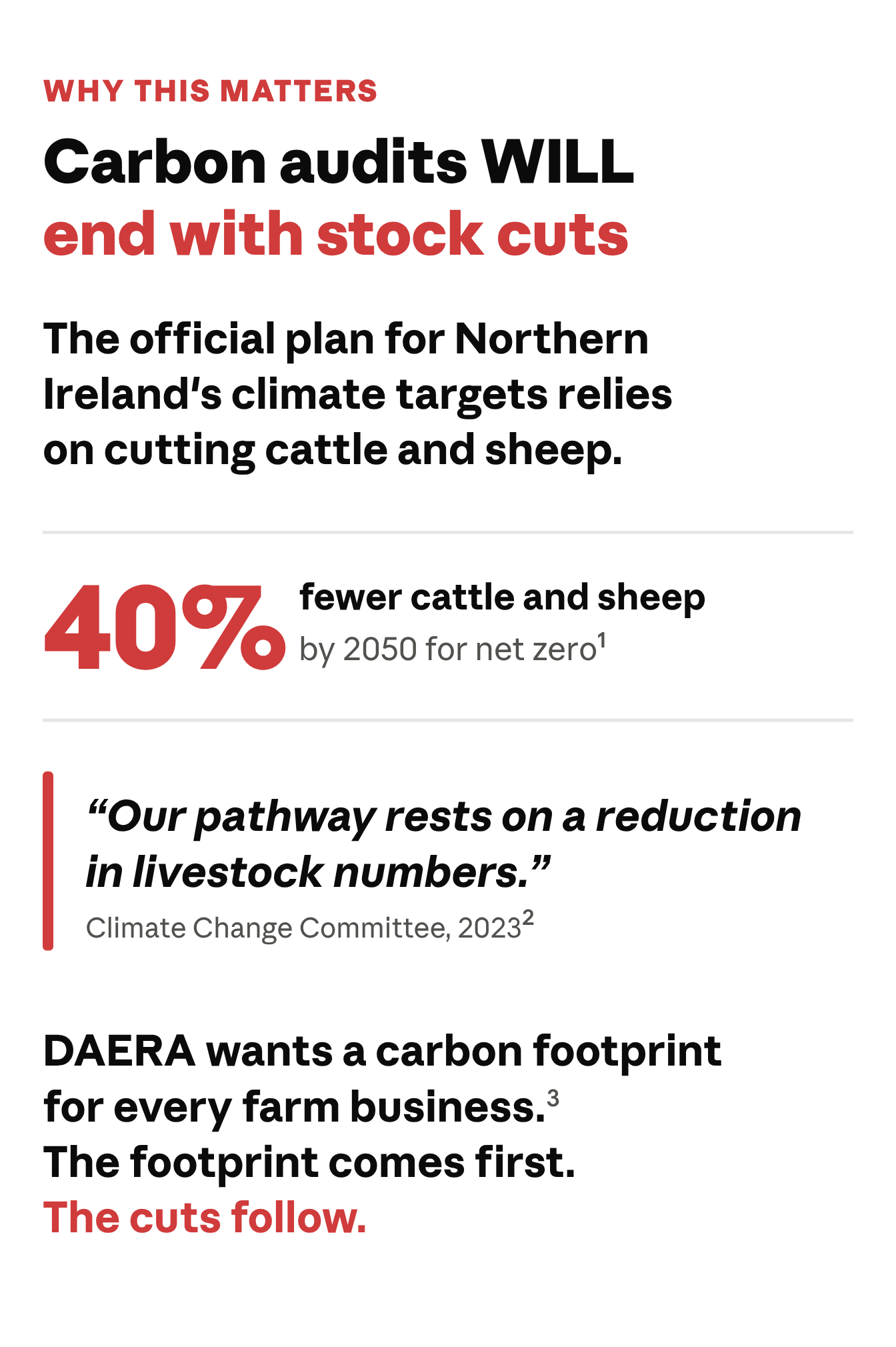
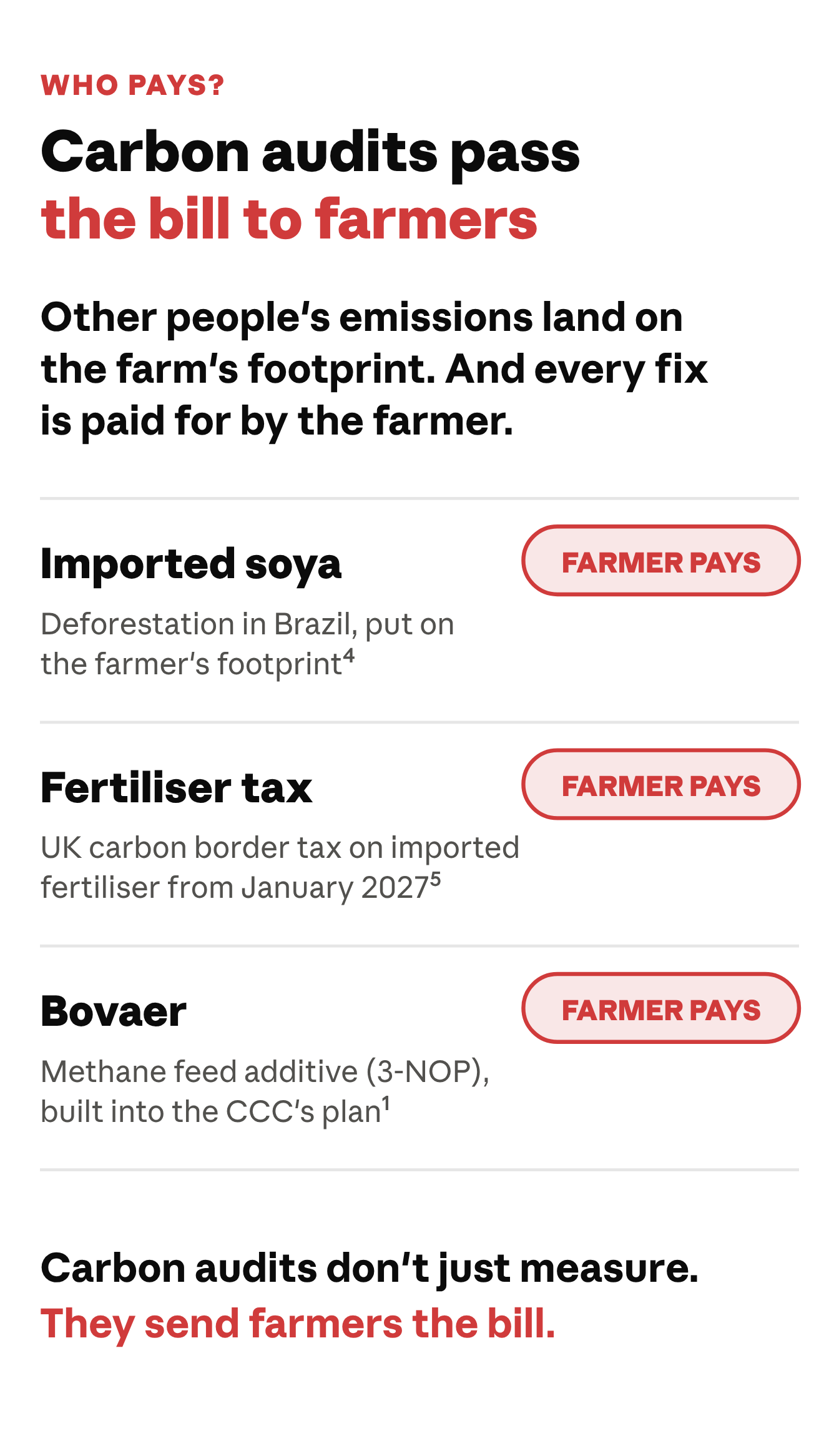
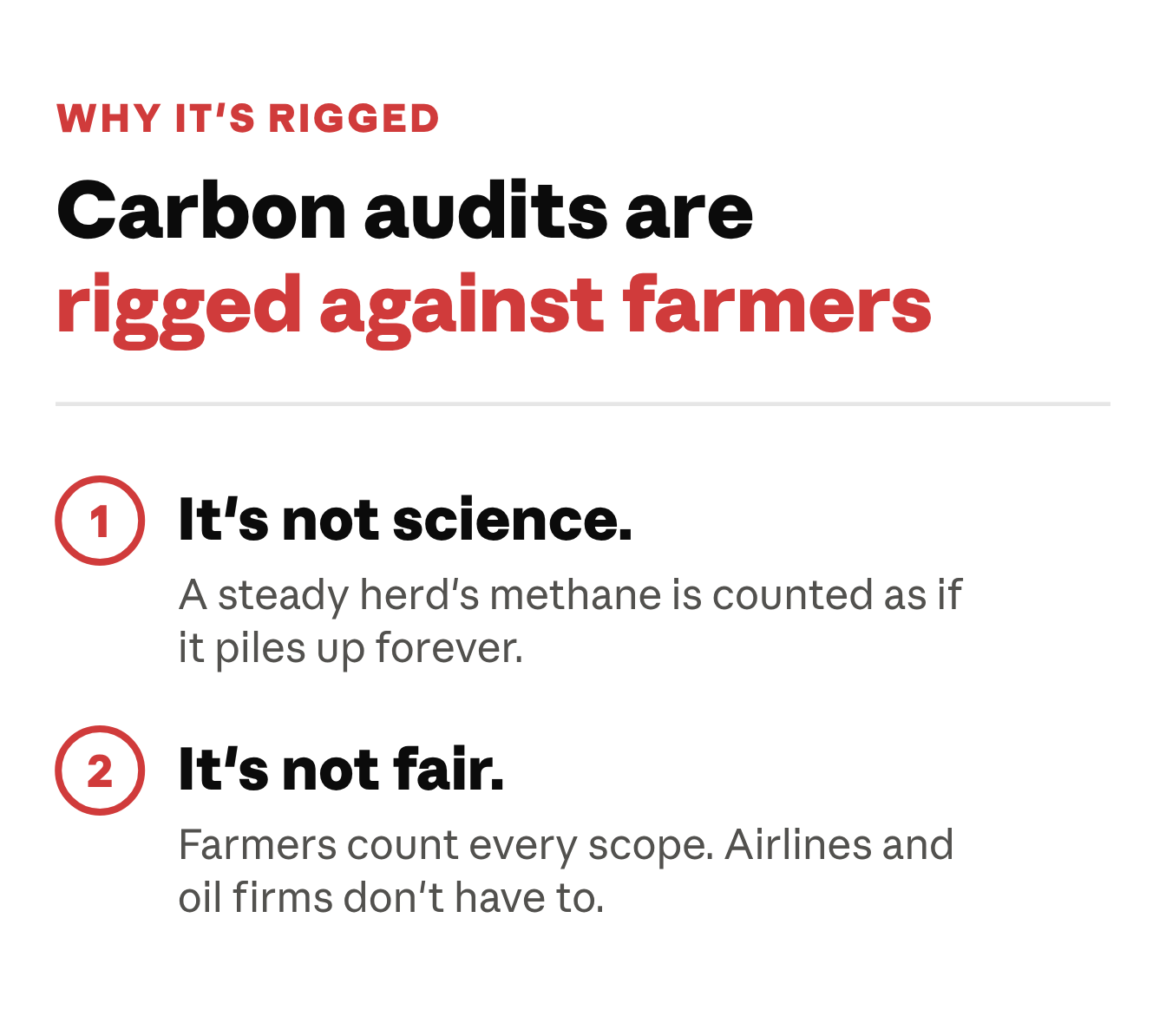
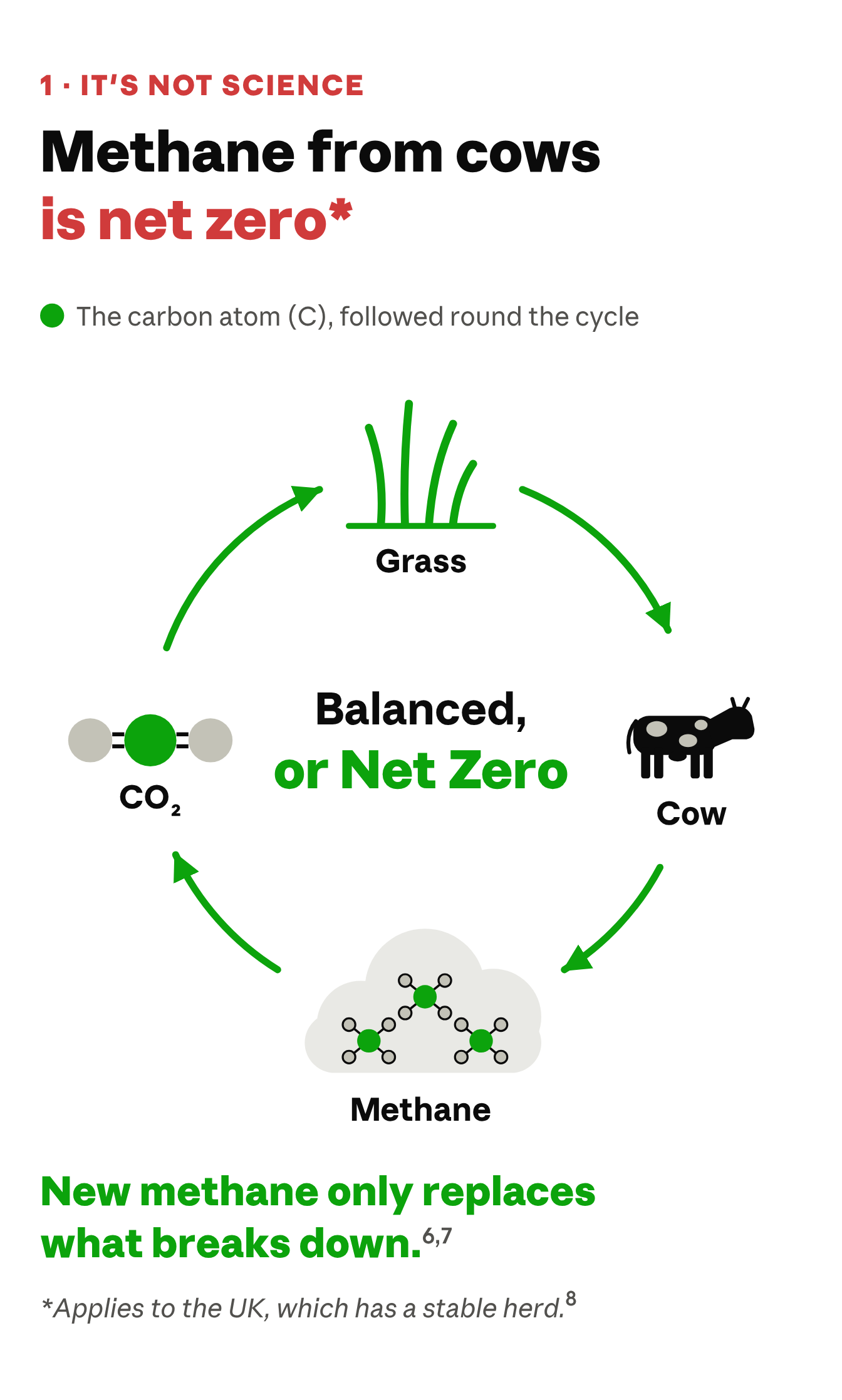
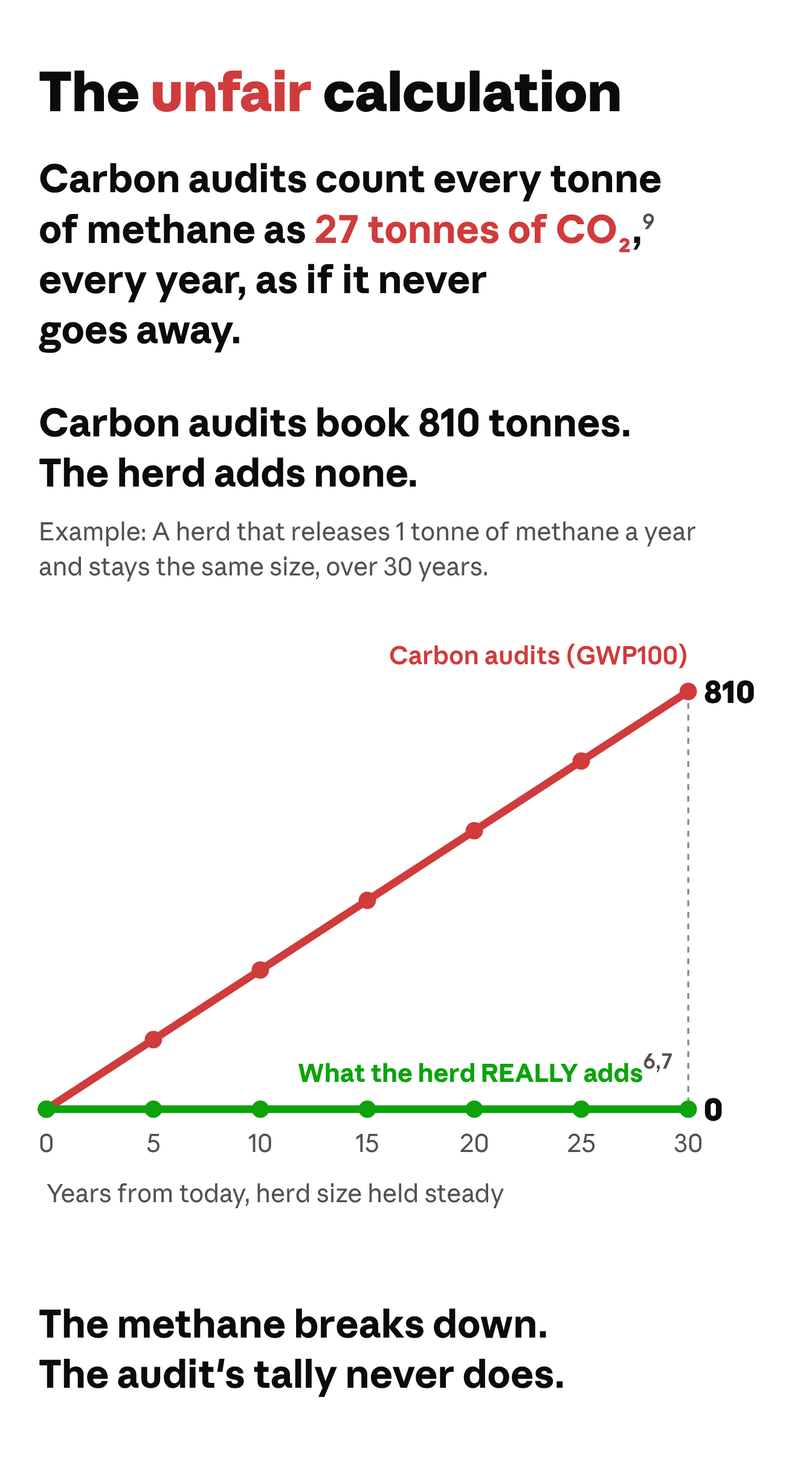
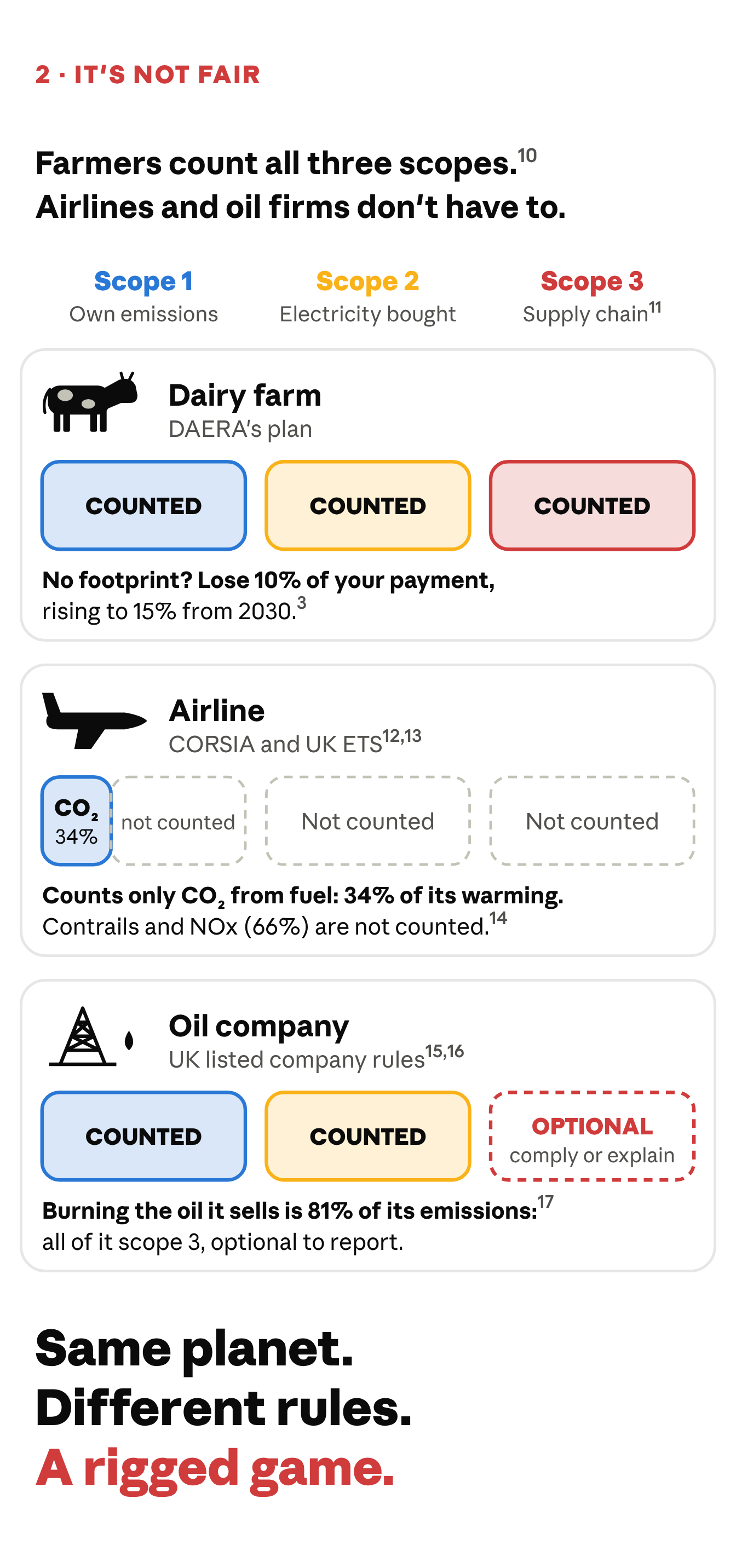
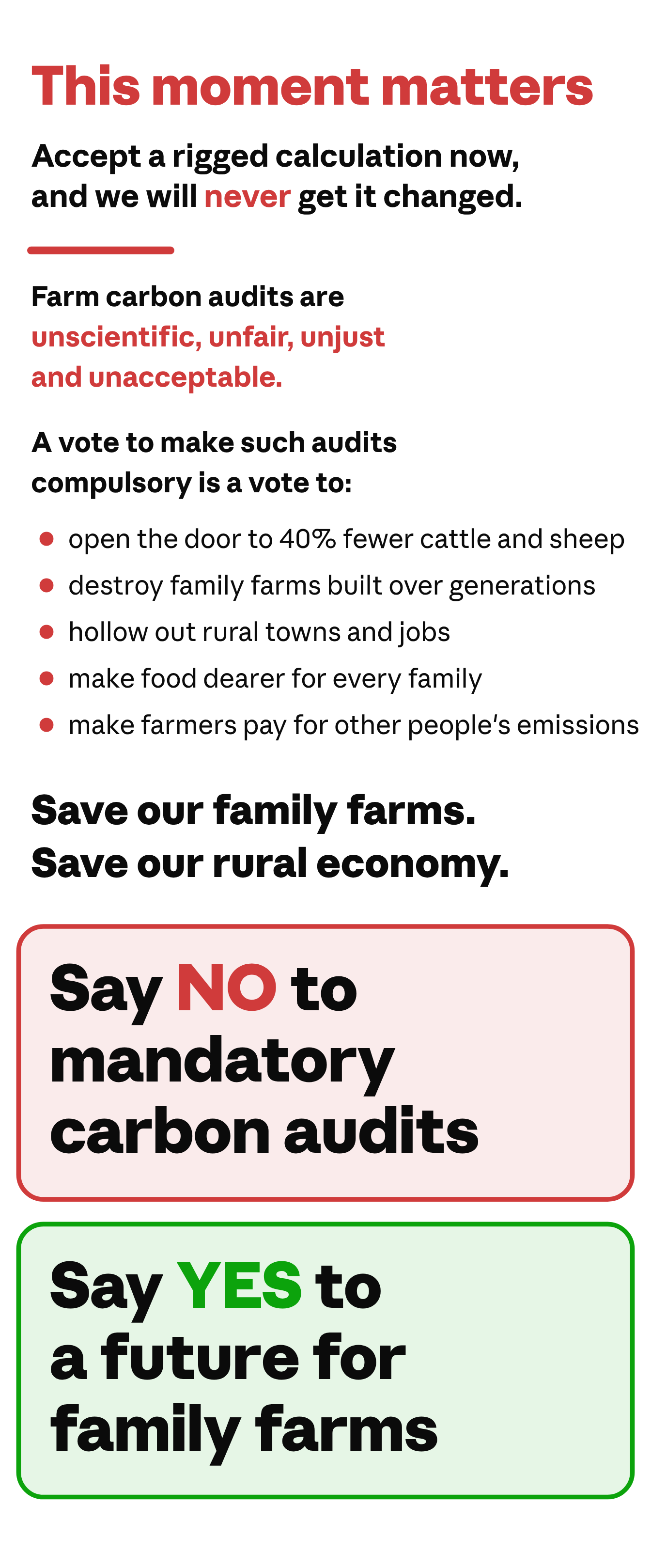
Carbon Audits: The Facts. Mandatory carbon audits mean stock cuts and higher costs for farmers. They are rigged, and they must be stopped now. Why this matters. Carbon audits will end with stock cuts. The official plan for Northern Ireland's climate targets relies on cutting cattle and sheep: 40% fewer cattle and sheep by 2050 for net zero. Quote from the Climate Change Committee, 2023: Our pathway rests on a reduction in livestock numbers. DAERA wants a carbon footprint for every farm business. The footprint comes first. The cuts follow. Who pays? Carbon audits pass the bill to farmers. Other people's emissions land on the farm's footprint, and every fix is paid for by the farmer. Imported soya: deforestation in Brazil, put on the farmer's footprint. Farmer pays. Fertiliser tax: the UK carbon border tax on imported fertiliser from January 2027. Farmer pays. Bovaer: the methane feed additive 3-NOP, built into the CCC's plan. Farmer pays. Carbon audits don't just measure. They send farmers the bill. Why it's rigged. Carbon audits are rigged against farmers. One: it's not science. A steady herd's methane is counted as if it piles up forever. Two: it's not fair. Farmers count every scope; airlines and oil firms don't have to. 1. It's not science. Methane from cows is net zero. Diagram of the farm carbon cycle: grass, cow, methane, CO2 and back to grass. Balanced, or net zero. New methane only replaces what breaks down. Footnote: applies to the UK, which has a stable herd. The unfair calculation. Carbon audits count every tonne of methane as 27 tonnes of CO2, every year, as if it never goes away. Chart: for a herd that releases 1 tonne of methane a year and stays the same size, carbon audits book 810 tonnes over 30 years, while what the herd really adds stays at zero. The methane breaks down. The audit's tally never does. 2. It's not fair. Farmers count all three scopes. Airlines and oil firms don't have to. Dairy farm under DAERA's plan: scopes 1, 2 and 3 all counted; no footprint means losing 10% of the payment, rising to 15% from 2030. Airline under CORSIA and the UK ETS: only CO2 from fuel is counted, 34% of its warming; contrails and NOx, 66%, and scopes 2 and 3 are not counted. Oil company under UK listed company rules: scopes 1 and 2 counted, scope 3 optional, even though burning the oil it sells is 81% of its emissions. Same planet. Different rules. A rigged game. This moment matters. Accept a rigged calculation now, and we will never get it changed. Farm carbon audits are unscientific, unfair, unjust and unacceptable. A vote to make such audits compulsory is a vote to open the door to 40% fewer cattle and sheep, destroy family farms built over generations, hollow out rural towns and jobs, make food dearer for every family, and make farmers pay for other people's emissions. Save our family farms. Save our rural economy. Say NO to mandatory carbon audits. Say YES to a future for family farms.

Email your MLA

Tell your MLAs to oppose mandatory carbon audits. Write a few lines and we'll send them with this flyer attached. Replies come straight to you.

Email your MLA

Share this with every farmer and MLA you know

The Assembly vote is the moment to stop mandatory carbon audits. Pass it on.

Share on WhatsApp Download the PDF

Appendix: the 2050 estimates

About 40% fewer cattle and sheep by 2050.1 The CCC's data for its 2025 report gives Northern Ireland's cattle and sheep numbers year by year: 2.77 million in 2040 and 2.43 million in 2050, a further 12% fall after 2040. Applying that further fall to the CCC's stated 31% cut by 204018 gives 39.3% fewer by 2050 (0.69 × 0.88 = 0.61), which we round to 40%. On a plain head count from the CCC's 2025 starting point, the 2050 cut is 36%. 2050 is the year of Northern Ireland's legal net zero target.19

53% of farming's emissions cut comes from fewer livestock by 2050.1 The CCC's full dataset splits farming's emissions cuts by measure. Two of them cut livestock numbers: "average reduction in meat and dairy consumption" and "reduces livestock numbers". Together they deliver 48% of farming's cut in 2040, matching the CCC's report,18 and 53% in 2050 (1.51 of 2.87 MtCO₂e).

These are our calculations from the CCC's published data, not figures the CCC states.

Sources

  1. Climate Change Committee (2025), Northern Ireland data: figure data and full dataset: cattle and sheep numbers, emissions cuts by measure, 3-NOP (Bovaer)
  2. Climate Change Committee (March 2023), The path to a Net Zero Northern Ireland: "Our pathway rests on a reduction in livestock numbers" (p.70)
  3. Irish Farmers Journal (28 October 2026), DAERA clarify plans for carbon audits: footprint for every farm business, deadline and penalties
  4. U.S. Soybean Export Council (2025), Sustainable U.S. Soy carbon footprint, Europe: Brazilian soya meal 4.30 kg CO₂e/kg with land-use change, 0.60 without (EU feed rules)
  5. GOV.UK (updated 2 November 2026), Carbon Border Adjustment Mechanism (CBAM): policy summary: carbon tax on imported fertiliser from 1 January 2027, across the whole UK including Northern Ireland
  6. Lynch et al. (2020), Demonstrating GWP*, Environmental Research Letters: steady methane emissions give steady forcing
  7. Oxford Martin School (2018, updated 2022), Climate metrics for ruminant livestock
  8. Defra (updated 2 October 2026), Livestock populations in the United Kingdom at 1 June 2025: UK cattle and dairy herd numbers
  9. GHG Protocol (2024), Global Warming Potential Values: methane GWP100 of 27.0 (IPCC AR6)
  10. AgreCalc, Frequently asked questions: what a farm footprint counts
  11. GHG Protocol (2004), Corporate Standard, revised edition: scopes 1, 2 and 3; scope 3 "optional"
  12. ICAO (2024), CORSIA frequently asked questions
  13. GOV.UK, UK Emissions Trading Scheme for aviation
  14. Lee et al. (2021), The contribution of global aviation to anthropogenic climate forcing, Atmospheric Environment
  15. UK Government (2019), Environmental Reporting Guidelines, including SECR
  16. ICAEW (7 October 2026), FCA finalises UK SRS reporting rules
  17. CDP (2026), Scope 3 category 11 guidance for oil and gas
  18. Climate Change Committee (March 2025), Northern Ireland's Fourth Carbon Budget: cattle and sheep numbers fall 31% by 2040; 48% of the emissions cut in 2040 (p.57)
  19. Climate Change Act (Northern Ireland) 2022: net zero by 2050 (section 1)